
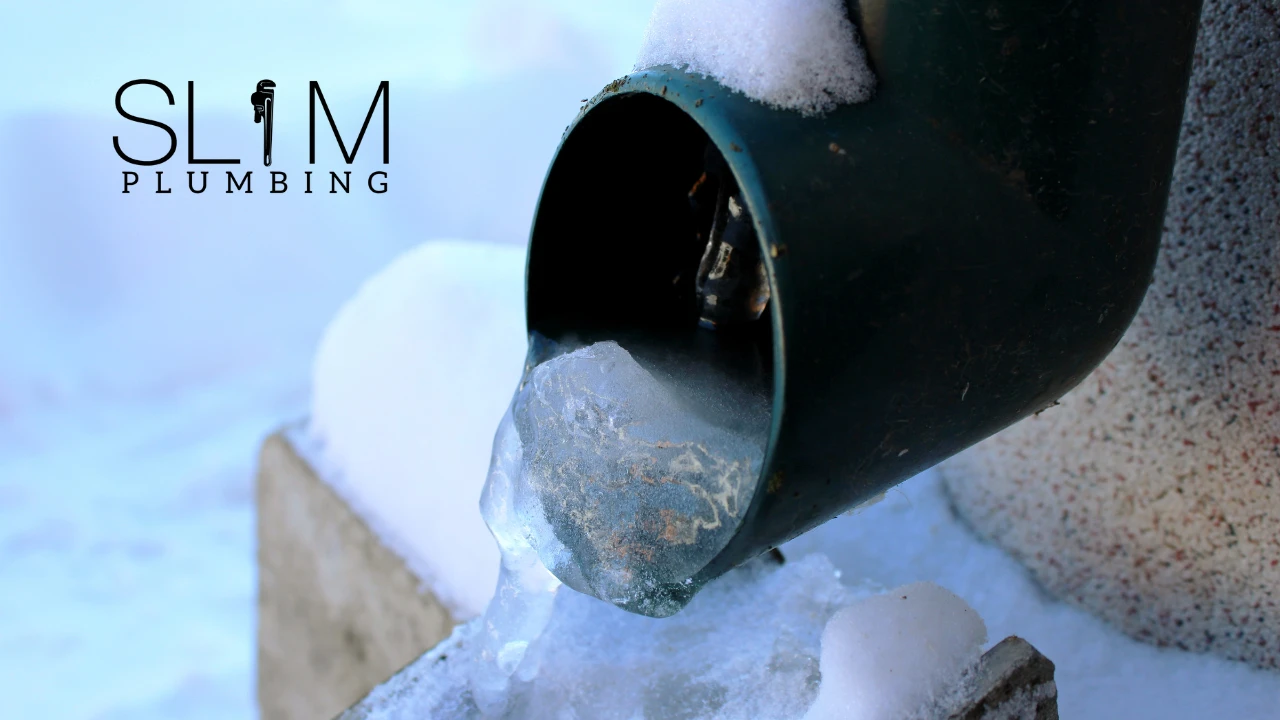
Cold snaps can be more than inconvenient; they can become catastrophic when it comes to your home’s plumbing system. When temperatures dip, pipes can freeze, which not only prevents water from flowing out of faucets, but can also cause cracks or bursts that can lead to extensive damage — and expensive repairs. At Slim Plumbing, we understand all too well the stress that winter plumbing problems can cause. To help you avoid serious issues, we’ve put together a list of handy tips that you can use to protect your plumbing system and prevent pipe bursts during frigid weather.
How Cold Weather Can Crack Your Pipes
To understand how to protect your plumbing system, you first need to understand how cold weather can crack your pipes. When the temperature drops, water trapped inside your pipes can freeze. Water expands as it freezes, placing extreme stress on the pipes. Even sturdy, properly installed pipes can crack, split, or burst under this stress. Pipes located in colder, less-insulated parts of your home are especially vulnerable to freezing. Common problem areas include
- Pipes in unheated attics or crawl spaces
- Pipes running through exterior walls
- Garages and outdoor water lines
When you know which pipes are most at risk, you can take the steps necessary to prevent them from freezing before the cold weather arrives.
Key Signs Your Pipes Are at Risk of Freezing
Before a full freeze sets in, plumbing pipes can give subtle clues that they’re in danger of bursting. Early warning signs to be on the lookout for include:
- Frost or condensation: A thin layer of ice or moisture on exposed pipes is a telltale sign that they’re in danger of freezing.
- Reduced water pressure or slow flow: If the water pressure drops unexpectedly or your faucets are trickling during a cold snap, it could mean that ice is forming inside your pipes.
- Vulnerable pipe location and lack of insulation: Pipes located in drafty areas, such as along exterior walls or in unheated/uninsulated spaces (garages, attics, crawl spaces, etc.), are at a higher risk of freezing.
By detecting these red flags early, you can implement the preventative measures necessary before a freeze turns into an emergency. Taking early action is the best defense against winter plumbing problems.
Practical Tips to Prevent Pipe Bursts
Insulation, heat, and keeping water moving are the three most important things you can do to prevent your pipes from bursting. Here are some simple tips you can implement to safeguard your plumbing.
- Insulate vulnerable pipes: Pipe insulation is your first line of defense against cold weather. Apply foam sleeves, heat tape, or insulation wraps to pipes that are situated in unheated, exposed, or uninsulated areas.
- Keep water flowing: Water is less likely to freeze when it’s flowing. When the forecast calls for extreme cold conditions, keep the water flowing by allowing the faucets to drip (especially faucets connected to vulnerable pipes).
- Maintain a consistent temperature: Another way you can prevent pipes from freezing is by avoiding drastic temperature drops inside your home. Adjust the thermostat so that your home maintains an even temperature. Additionally, open up cabinet doors under sinks so that warm air can circulate around the pipes.
- Seal drafts and cracks: Any cold air that travels into areas where pipes are located can increase the risk of freezing. Using calk or weatherstripping, seal any gaps around doors, windows, and vents. Even minor amounts of cold air can pose a serious danger to plumbing pipes.
- Disconnect and drain outdoor hoses: Disconnect garden hoses, drain them, and, if possible, turn off exterior water supply valves. When left connected, any water trapped inside a hose can travel back up into outdoor faucets and freeze.
- Plan ahead for extended cold periods. If a severe cold snap is predicted, temporarily shutting off water to vulnerable areas can be extremely helpful. You should also keep all exterior doors and windows closed — especially in attics, garages, and crawl spaces.
Taking a proactive approach can help you avoid serious problems and major inconveniences with your plumbing pipes; moreover, it can potentially save you thousands of dollars on water damage and emergency repairs.
What to Do If a Pipe Freezes
If you think any of your plumbing pipes have frozen, don’t delay — take action right away! Shut off your main water supply and contact an experienced plumber immediately. Attempting to thaw out pipes using an open flame, a hair dryer, or any other heating source can be dangerous. Contact the pros at Slim Plumbing for fast, safe, and effective solutions.
Safeguard Your Home from Winter’s Cold with Slim Plumbing
Winter doesn’t have to cause unnecessary stress on your plumbing system (or on you). At Slim Plumbing, our team of skilled professionals helps homeowners, builders, and property managers prevent pipe bursts before they happen. Comprehensive inspections, pipe insulation, and emergency repairs; we’re ready to protect your property whenever you need a helping hand.
Don’t wait for a burst pipe to take action — contact Slim Plumbing today and secure your home’s plumbing system from the dangers of cold weather.